


![ChiltanPure Red Onion Oil Reduces Hair Fall & Accelerates Hair Regrowth [پیاز کا تیل] - product image 1](http://chiltanpure.pk/cdn/shop/files/Onion-Oil_640x.jpg?v=1707234520)
![ChiltanPure Red Onion Oil Reduces Hair Fall & Accelerates Hair Regrowth [پیاز کا تیل] - product image 2](http://chiltanpure.pk/cdn/shop/products/red-onion-oil-reduces-hair-fall-amp-accelerates-hair-regrowth-piaz-ka-til-trending-291868_640x.jpg?v=1707234520)


- Choosing a selection results in a full page refresh.
DOWNLOAD our App & Get Amazing Discount
Download Now
|
Need More Discount ~ Chat with Sales Person! BARGAIN NOW
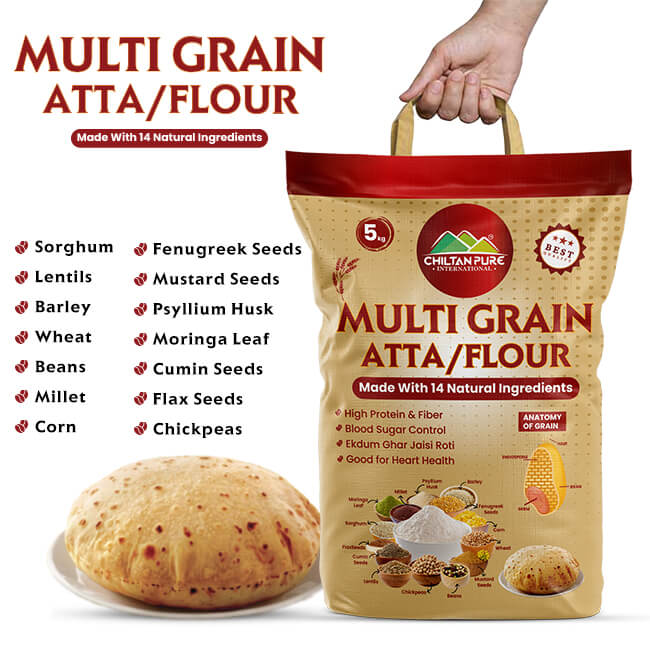
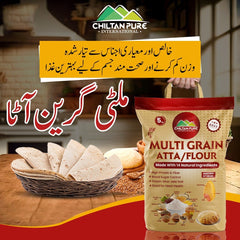
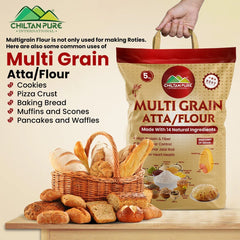
ChiltanPure ka Multi Grain Atta 14 qudrati ajza ka blend hai — gandum ke saath jau, bajra, jowar, chanay, daalein, alsi, methi dana, ispaghol aur moringa jaise ingredients shamil hain. Aam gandum ke atta ke muqablay mein is mein fiber, plant protein aur minerals zyada hotay hain, is liye yeh un gharon ke liye behtareen choice hai jo apni rozana ki roti ko sehat mand banana chahte hain. Rotiyan, parathay aur chapati sab isi atta se banayein — taste desi, nutrition double.
Multi grain atta aisa atta hai jo sirf gandum par depend karne ke bajaye kai grains, daalon aur beejon ko mila kar banaya jata hai. ChiltanPure ka Multi Grain Atta 14 qudrati ajza ka blend hai jis mein gandum ke saath jowar, jau, bajra, makai, chanay, daalein, alsi, methi dana, rai, ispaghol, moringa patta aur zeera shamil hain.
Har grain aur beej apna alag faida deta hai — kisi mein fiber zyada hai, kisi mein plant protein, aur kisi mein minerals. Jab yeh 14 ajza aik saath milte hain to atta ka nutrition profile aam single-grain atta se kaafi wide ho jata hai. Na koi artificial cheez, na preservative — sirf qudrati ajza.
Note: Yeh atta aik food product hai, kisi bimari ka ilaj nahi. Diabetes ya koi bhi medical condition ho to apne doctor se mashwara zaroor karein.
Gandum (Wheat), Jowar (Sorghum), Jau (Barley), Bajra (Millet), Makai (Corn), Chanay (Chickpeas), Daalein (Lentils), Beans, Alsi (Flaxseed), Methi Dana (Fenugreek), Rai (Mustard Seeds), Ispaghol (Psyllium Husk), Moringa Patta, Zeera (Cumin).
Aam chakki atta aik hi grain se banta hai — narm, jaani-pehchani roti. Multi grain atta ki roti thori si dense hoti hai lekin fiber, protein aur minerals kaafi zyada milte hain. Zyada tar gharon ko 1–2 hafton mein taste ki aadat ho jati hai. Jo families cholesterol, weight ya sugar-conscious hain, un ke liye multi grain atta aik behtar nutritional intikhab samjha jata hai.
Rozana ki roti, chapati aur parathon ke liye bilkul aam atta ki tarah use karein. Yeh atta pani zyada absorb karta hai, is liye pani thora thora kar ke daalein aur dough ko 10–15 minute rest dein — roti naram banegi. Pancakes, cheelay aur baking mein bhi use ho sakta hai.
Har woh ghar jo rozana ki roti ko sehat mand banana chahta hai — bachay, baray, buzurg sab ke liye. Zaroori note: is mein gandum shamil hai, is liye gluten intolerance ya celiac walay afraad yeh atta use na karein — un ke liye ChiltanPure ka alag Gluten-Free Multi Grain Atta available hai.
Airtight container mein thandi, khushk jagah rakhein. Behtar taste ke liye 2–3 mah ke andar use karein.
Pakistan bhar mein Cash on Delivery, 14 qudrati ajza ka verified blend, aur ChiltanPure ka bharosa jo hazaron gharon ka rozana ka hissa hai. Chota pack chahiye? Multi Grain Atta 1kg bhi available hai, aur bachat ke liye Flours Bundle (4 at the price of 3) dekhein.
Yeh 14 grains, daalon aur beejon ka blend hai jo aam gandum ke atta se zyada fiber aur plant protein deta hai.
Ji haan, bilkul aam atta ki tarah rozana ki roti, chapati aur parathay banaye ja sakte hain.
Complex carbs ki wajah se energy slow release hoti hai, lekin kisi bhi medical condition mein apne doctor se mashwara zaroor karein.
Ji haan, is mein gandum shamil hai. Gluten-free afraad ke liye alag Gluten-Free Multi Grain Atta available hai.
Halka nutty aur desi taste hota hai. Zyada tar gharon ko 1–2 hafton mein aadat ho jati hai.
Pani thora thora kar ke daalein aur dough ko 10–15 minute rest dein, phir roti belein — naram banegi.
Gandum, jowar, jau, bajra, makai, chanay, daalein, beans, alsi, methi dana, rai, ispaghol, moringa patta aur zeera.
Current price is product page par dikhai gayi hai. Pakistan bhar mein Cash on Delivery available hai.
Yeh 5kg pack hai. 1kg ka chota pack alag listing par available hai.
Sirf chiltanpure.pk website ya ChiltanPure ke official store se order karein.
Thanks for subscribing!
This email has been registered!