


![ChiltanPure Red Onion Oil Reduces Hair Fall & Accelerates Hair Regrowth [پیاز کا تیل] - product image 1](http://chiltanpure.pk/cdn/shop/files/Onion-Oil_640x.jpg?v=1707234520)
![ChiltanPure Red Onion Oil Reduces Hair Fall & Accelerates Hair Regrowth [پیاز کا تیل] - product image 2](http://chiltanpure.pk/cdn/shop/products/red-onion-oil-reduces-hair-fall-amp-accelerates-hair-regrowth-piaz-ka-til-trending-291868_640x.jpg?v=1707234520)


The packaging is nice, the taste is amazing, and above all, everything is so fresh. I absolutely love it! ❤️

- Choosing a selection results in a full page refresh.
DOWNLOAD our App & Get Amazing Discount
Download Now
|
Need More Discount ~ Chat with Sales Person! BARGAIN NOW
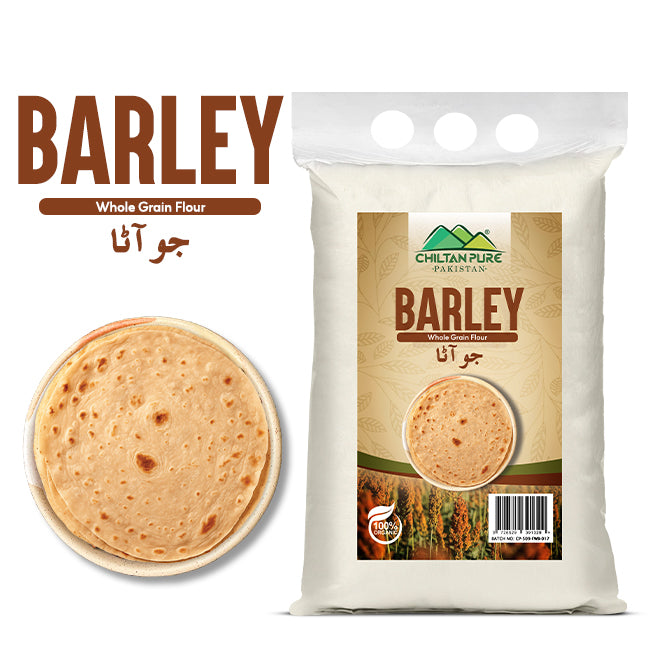
Barley Flour - (جَو کا آٹا) Jau ka Atta - 1kg is part of our food range for a practical daily routine.
Follow the product label instructions and recommended quantity.
Barley Flour - (جَو کا آٹا) Jau ka Atta - 1kg rozana routine ke liye practical option hai. Label ki hidayaat ke mutabiq istemal karein.
food collection mein related products dekhein.
Pakistan mein available hai?
Current availability aur price product page par check karein.
|
Excellent Source of Dietary Fiber
Barley is rich in both soluble and insoluble fiber, supporting healthy digestion and helping maintain regular bowel movements. The fiber content also helps you feel full longer. |
|
Helps Maintain Healthy Cholesterol Levels
The soluble fiber in barley, particularly beta-glucan, has been shown to help maintain already healthy cholesterol levels when consumed regularly. |
|
Supports Blood Sugar Management
With its low glycemic index and high fiber content, barley flour helps provide steady energy release without causing sharp spikes in blood sugar levels. |
Rich in Essential Nutrients
Packed with vitamins and minerals including selenium, magnesium, and B vitamins, barley flour supports overall health and wellness in every spoonful. |
|
Promotes Gut Health
The prebiotic fiber in barley flour feeds the beneficial bacteria in your gut, supporting a healthy digestive system and overall well-being. |
|
For Soft Barley Rotis
Mix with warm water and knead into soft dough. Let rest for 20 minutes before rolling for best results. |
|
In Soups & Stews
Mix with water to make slurry and add to boiling soups for natural thickening and extra nutrition. |
|
For Healthy Porridge
Cook with milk or water, add nuts and honey for a comforting breakfast that keeps you full for hours. |
In Baking
Replace 25-30% of regular flour in recipes for cookies and breads to add fiber and nutrients. |
|
For Traditional Barley Water
Mix with water, lemon and honey for a refreshing, nutrient-rich summer drink. |
Overall rating: 5.0 / 5 from 1 reviews.
The packaging is nice, the taste is amazing, and above all, everything is so fresh. I absolutely love it! ❤️
Noor A. 5/5 Verified
Thanks for subscribing!
This email has been registered!