


![ChiltanPure Red Onion Oil Reduces Hair Fall & Accelerates Hair Regrowth [پیاز کا تیل] - product image 1](http://chiltanpure.pk/cdn/shop/files/Onion-Oil_640x.jpg?v=1707234520)
![ChiltanPure Red Onion Oil Reduces Hair Fall & Accelerates Hair Regrowth [پیاز کا تیل] - product image 2](http://chiltanpure.pk/cdn/shop/products/red-onion-oil-reduces-hair-fall-amp-accelerates-hair-regrowth-piaz-ka-til-trending-291868_640x.jpg?v=1707234520)


- Choosing a selection results in a full page refresh.
DOWNLOAD our App & Get Amazing Discount
Download Now
|
Need More Discount ~ Chat with Sales Person! BARGAIN NOW
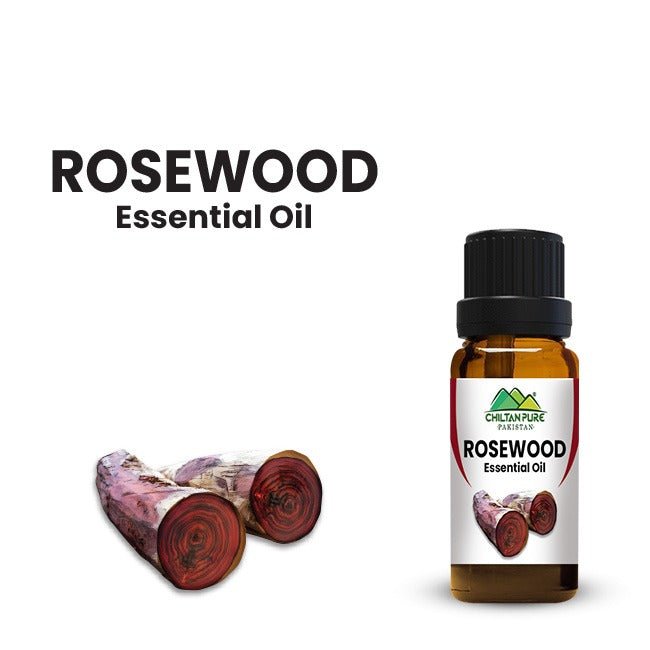
Rosewood Essential Oil / روزوڈ ایسینشل آئل Pakistan mein hair care routine ke liye ChiltanPure par available hai. Product information natural Roman Urdu + English mein simple aur practical way mein di gayi hai.
Product ko label instructions ke mutabiq use karein. Suitable quantity se start karein aur personal sensitivity ki surat mein patch test useful ho sakta hai.
Ingredients aur usage instructions label par check karein. Irritation ya unusual reaction ki surat mein use band karein.
Current price aur available variants isi product page par show hote hain. ChiltanPure Pakistan se online order kiya ja sakta hai.
Yeh product kis liye hai?
Rosewood Essential Oil / روزوڈ ایسینشل آئل ko us ke intended hair care routine ke liye use kiya jata hai.
Price in Pakistan kya hai?
Current price aur variants product page par available hain.
Thanks for subscribing!
This email has been registered!