


![ChiltanPure Red Onion Oil Reduces Hair Fall & Accelerates Hair Regrowth [پیاز کا تیل] - product image 1](http://chiltanpure.pk/cdn/shop/files/Onion-Oil_640x.jpg?v=1707234520)
![ChiltanPure Red Onion Oil Reduces Hair Fall & Accelerates Hair Regrowth [پیاز کا تیل] - product image 2](http://chiltanpure.pk/cdn/shop/products/red-onion-oil-reduces-hair-fall-amp-accelerates-hair-regrowth-piaz-ka-til-trending-291868_640x.jpg?v=1707234520)


- Choosing a selection results in a full page refresh.
DOWNLOAD our App & Get Amazing Discount
Download Now
|
Need More Discount ~ Chat with Sales Person! BARGAIN NOW
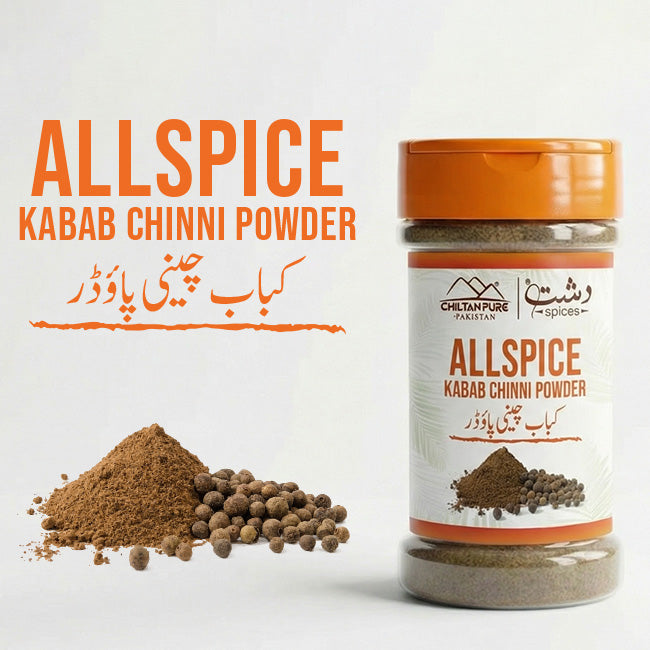
AllSpice / Kabab Chinni Powder / کباب چینی پاؤڈر / Cubeb Pepper is part of Chiltan Pure's product range, presented with clear information to help customers understand its use and key features.
Use according to the product instructions and recommended quantity or setup. Store appropriately and follow safety guidance on the packaging.
Ye AllSpice / Kabab Chinni Powder / کباب چینی پاؤڈر / Cubeb Pepper daily use ke liye practical option hai. Isay product ki instructions ke mutabiq use karein aur packaging par di gayi safety aur storage guidance follow karein.
Current listed price: PKR 999.0. Price may change with store promotions or updates.
Explore more Chiltan Pure products.
How should I use it? Follow the instructions provided with the product.
Is the product suitable for everyone? Suitability depends on the product and individual needs; review the label before use.
Thanks for subscribing!
This email has been registered!